
News
Breaking the Cycle: A PT’s Guide to Chronic Ankle Instability
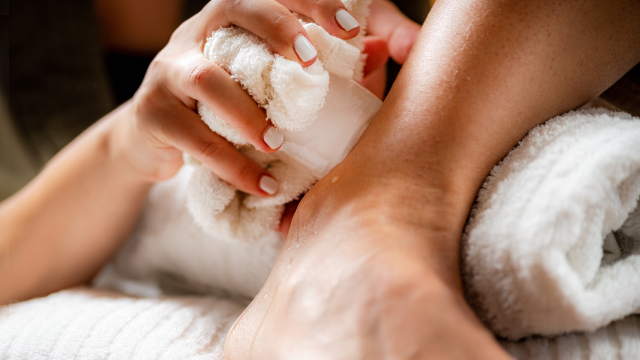
Ankle sprains are among the most common of all injuries, affecting both athletes and non–athletes alike. While many people recover, a significant number–up to 70%–will go on to develop a more complex and persistent problem called chronic ankle instability (CAI). This condition is characterized by a history of repeated sprains and symptoms that make the ankle feel like it's “giving way.”
This isn't just an athlete's concern. Weekend warriors, parents chasing kids, and anyone who's rolled an ankle can be sidelined by CAI. It can interfere with sports, work, and simple tasks like stepping off a curb. But a new study recently took a deep dive into the best physical therapy treatments for this stubborn problem–and the findings are exciting for anyone looking to get back on their feet.
Unraveling chronic ankle instability
CAI happens when an initial sprain damages ligaments, muscles, and nerves around the ankle, which leads to an unstable “rolling” type of sensation. It's common in athletes like basketball players and runners, but everyday folks are vulnerable as well, especially if they've ignored early signs. Symptoms include repeated giving way, pain during movement, and trouble with balance, which can snowball into reduced activity levels and poorer quality of life.
Thankfully, physical therapy offers a toolkit of interventions to rebuild that stability in patients with CAI. Traditional options include balance exercises (like standing on one leg on a wobbly board), strengthening routines (using resistance bands to target ankle muscles), and stretching to improve flexibility. More advanced approaches mix these with things like whole–body vibration (shaking platforms to wake up your muscles) or external supports like taping and bracing. Research has also shown that combining several approaches–especially when manual therapy is included–can make a real difference in how quickly and completely patients recover.
Combination of balance and strengthening exercises ranks highest for treating CAI
Because so many treatments are available for CAI, it can be hard to know which are most effective. With this in mind, researchers conducted a “network meta–analysis,” which is like a mega–review that pulls together data from many different studies to get a clearer picture of what works best. They looked at 44 different clinical trials that evaluated a wide range of physical therapy interventions for CAI, with the goal of determining which treatments were most effective for reducing pain and improving function, stability, and balance. The interventions they examined included everything from strengthening and balance exercises to manual therapy, dry needling, and even tai chi. Participants included athletes and non–athletes, and trials varied in length and style.
Results showed that a combination of balance and strengthening exercises was best for boosting function and easing pain. In addition, adding manual therapy (hands–on techniques like joint mobilizations) or dry needling (targeting trigger points with thin needles) was found to produce even better overall outcomes. For instance, manual therapy paired with multimodal exercises (a mix of stretching, strengthening, and functional tasks) topped the charts for improving ankle range of motion. Manual therapy was also effective for improving balance in several different directions. Overall, these exercise combinations outperformed solo exercises or controls, with athletes and longer training periods (over a month) seeing even bigger gains.
Why physical therapy is your ticket to avoiding long–term struggles
Think of physical therapy as your personal ankle coach, tailoring these proven strategies to fit your life. Unlike quick fixes that fade, physical therapy builds lasting strength through progressive exercises, like hopping on unstable surfaces or using resistance bands. Manual therapy, a standout from the study, involves skilled therapists gently mobilizing and manipulating joints to restore motion and reduce pain. Combined with balance work, it addresses the root causes: poor proprioception (your body's sense of position) and neuromuscular issues.
The best part? These interventions are noninvasive, customizable, and backed by evidence showing real improvements in daily activities and sports. If you're tired of that unstable ankle holding you back, physical therapy isn't just treatment–it's empowerment. Imagine confidently tackling stairs or trails again, without the fear of another twist.
Dealing with CAI? Contact us today!
If you're nodding along because this sounds like your story–persistent ankle wobbles, pain that won't quit, or fear of re–injury–don't wait for it to get any worsen. Our team of expert physical therapists specializes in CAI rehab, using techniques like manual therapy, balance training, and multimodal exercises straight from cutting–edge research. We'll create a plan that's fun, effective, and suited appropriately for you. Give us a call now to step toward stability!
If you're interested in learning more, you can read the whole study.
December 11, 2025
Disclaimer:
The information in the articles, posts, and newsfeed is intended for informational and educational purposes only and in no way should be taken to be the provision or practice of physical therapy, medical, or professional healthcare advice or services. The information should not be considered complete or exhaustive and should not be used for diagnostic or treatment purposes without first consulting with your physical therapist, occupational therapist, physician or other healthcare provider. The owners of this website accept no responsibility for the misuse of information contained within this website.
